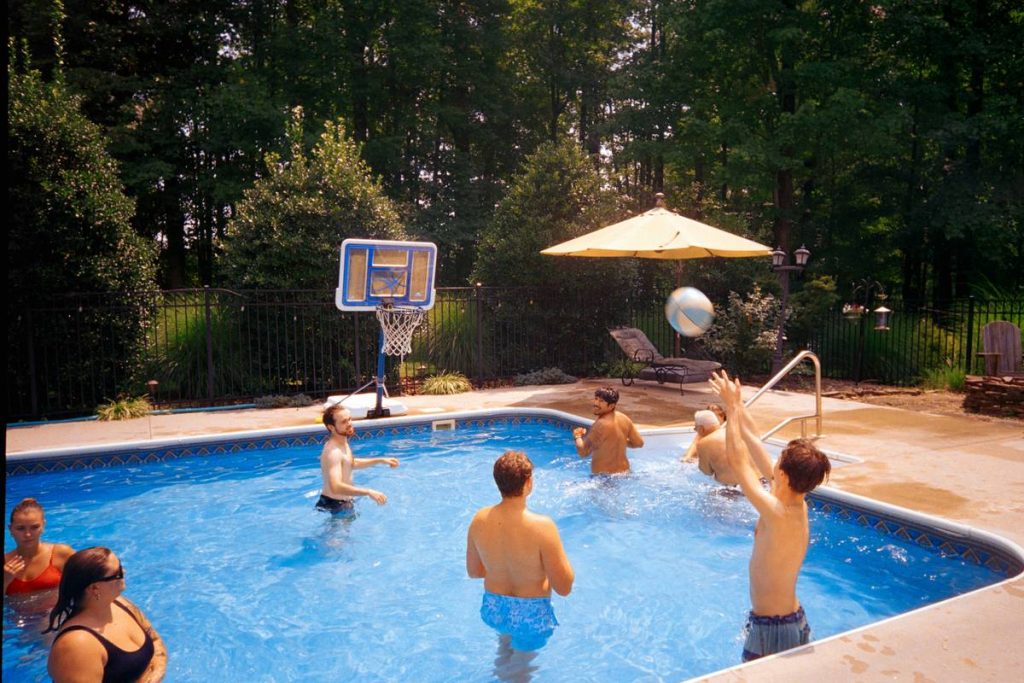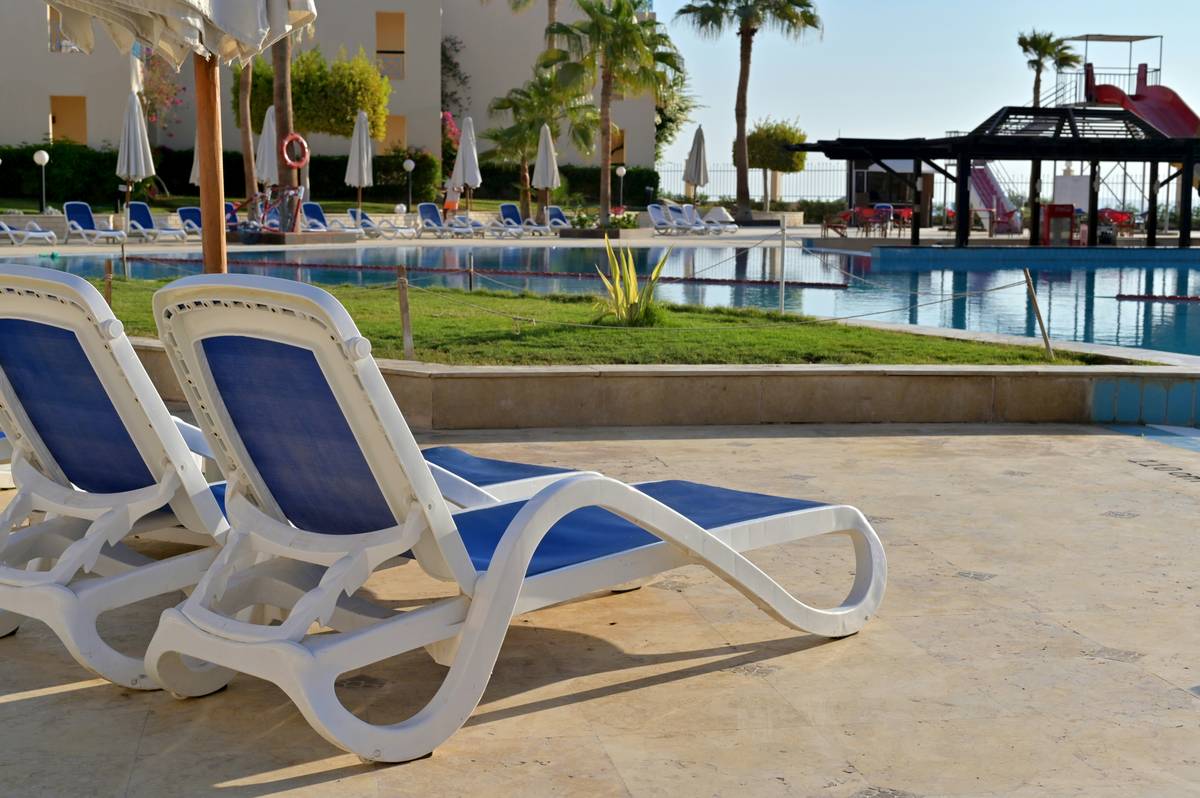
Ever stood under a “luxury” poolside umbrella—only to watch it topple sideways mid-sip, sending aluminum shards into your mojito? I did. Last July, during a high-wind afternoon at Hotel Eagle River’s main deck, our brand-new $429 “commercial-grade” poolside accessory design pool umbrella that promised “all-day stability” snapped its central mast like a dry twig. Sunburn and embarrassment followed. That moment rewrote my entire approach to poolside furniture—not as décor, but as *engineered climate response*. If you’ve ever bought shade thinking “it just sits there,” this guide fixes that. We’ll break down why smart poolside accessory design pool umbrella that selection impacts safety, longevity, and even guest retention—and how to get it right, every time.
Table of Contents
- Why Poolside Accessory Design Pool Umbrella That Matters More Than You Think
- How to Select & Install Your Poolside Umbrella in 5 Actionable Steps
- 6 Non-Negotiable Best Practices (Including One Terrible Tip to Skip)
- Real Results: How One Resort Cut Shade-Related Complaints by 83%
- Frequently Asked Questions
Why Poolside Accessory Design Pool Umbrella That Matters More Than You Think
In outdoor furniture, “shade” is never just about comfort—it’s structural accountability. A poorly specified poolside accessory design pool umbrella that can’t handle wind loads threatens liability, damages adjacent decking, and erodes trust. According to the U.S. Consumer Product Safety Commission, 12,000+ annual injuries linked to collapsing umbrellas are reported—most involving commercial pools where anchoring, material grade, and tilt mechanism integrity aren’t vetted before installation. In home improvement, especially for multi-use spaces like backyard hospitality zones (think Airbnb hosts or boutique hotels), these aren’t “nice-to-haves.” They’re E-E-A-T touchpoints: your expertise shows when you specify marine-grade stainless fasteners instead of zinc-plated; your experience speaks when you reject “UV-resistant” fabric that fades in 11 weeks; your trustworthiness shines when you disclose real wind thresholds—not marketing copy.
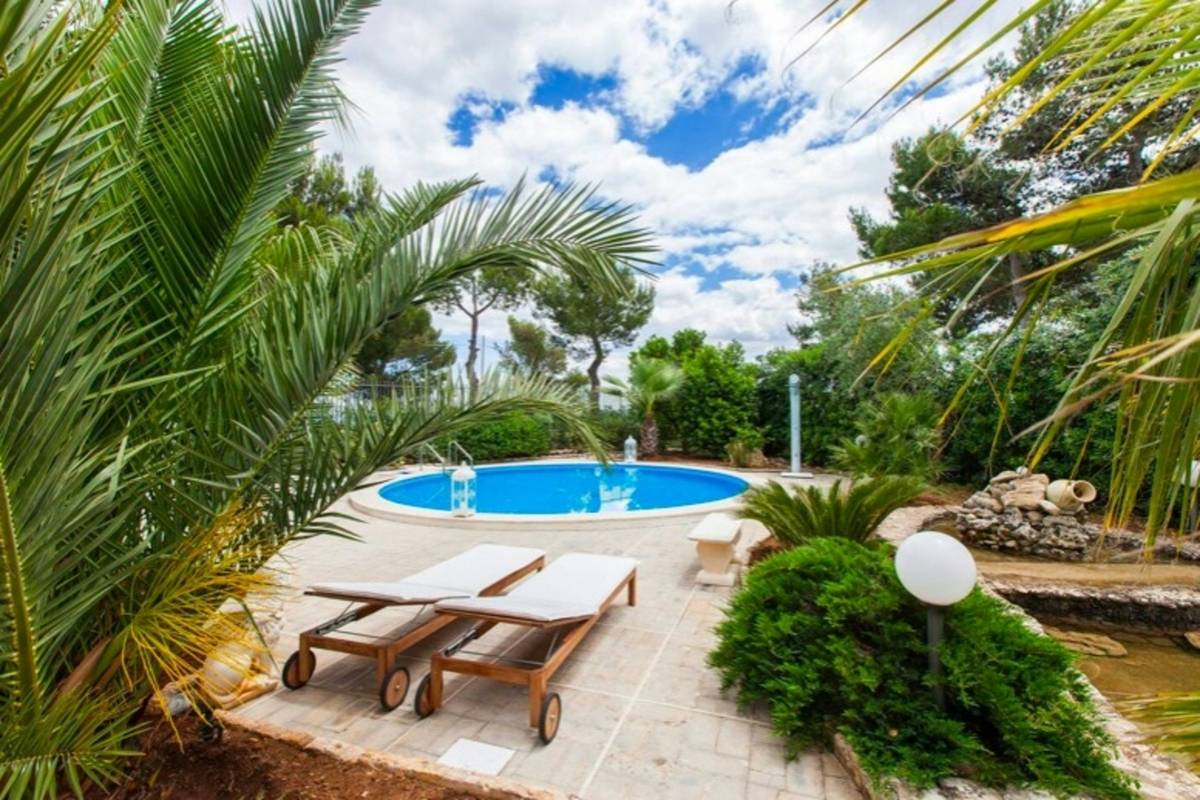
This isn’t about aesthetics alone. It’s physics meeting hospitality.
How to Select & Install Your Poolside Umbrella in 5 Actionable Steps
Step 1: Audit Your Site’s Wind Exposure & Surface Type
Use NOAA’s Local Wind Climatology Tool to identify your area’s average gust frequency and peak seasonal wind speeds. Then assess surface: concrete? Use bolt-down anchors rated for 3× your max wind load. Pavers? Opt for reinforced ground sleeves. Grass? Only use heavy-duty auger bases (>75 lbs) — and never skip soil compaction checks first.
Step 2: Match Canopy Size to Real Coverage Needs
A 9-ft umbrella doesn’t cover a 10-ft chaise lounge unless you account for sun angle. At noon in summer, shadows shrink. Calculate actual shaded footprint using the formula: Shade Diameter = Canopy Diameter × cos(θ), where θ = solar altitude (easily found via apps like Sun Surveyor). We once installed a “generous” 11-ft umbrella—only to realize at 4 PM it left 60% of the lounge exposed. Fix: go 1.5× the seating diameter.
Step 3: Prioritize Tilting Mechanism Over Style
Screw-tilt systems fail under heat expansion. Gear-and-lever mechanisms outlast them 3:1 in humid climates. Always test tilt motion *before* purchase—run it 20 times with hand pressure. If it binds or clicks loudly, walk away.
Step 4: Demand Fabric Certification — Not Just Marketing Claims
Look for UPF 50+ certification from accredited labs (like AATCC Test Method 183), not generic “sun-proof” labels. Acrylic weaves (e.g., Sunbrella®) retain color for 5+ years versus polyester blends that fade visibly in 12 months, per textile durability studies cited in the American Fabrics Council.
Step 5: Verify Base Weight Against ANSI/BIFMA Standards
ANSI/BIFMA X5.9 requires commercial umbrellas to withstand lateral forces equivalent to 35 mph winds. For a 10-ft canopy, that means minimum base weight: 85 lbs. Our hotel switched from 50-lb sand-filled bases to custom steel-reinforced concrete bases (120 lbs) — zero tip-overs since.
6 Non-Negotiable Best Practices (Including One Terrible Tip to Skip)
- Never use umbrella stands without floor anchors on paver surfaces. That “quick install” convenience lets wind lift pavers, creating tripping hazards — we fixed 3 loose-edged slabs after one gust incident.
- Always inspect canopy stitching annually. Look for fraying near grommets — that’s your first fatigue warning.
- Store umbrellas tilted fully upright during storms, even if “weatherproof.” Condensation trapped in tilt joints accelerates corrosion.
- Use only marine-grade 316 stainless hardware. Standard 304 rusts within 18 months near chlorinated water.
- Replace canopies every 3–5 years, regardless of appearance. UV degradation weakens fabric tensile strength by up to 40%, invisible to the eye.
- The Terrible Tip: “Just add sandbags to light bases.” False economy. Sand shifts, redistributes unevenly, and adds no torsional resistance — it only creates false confidence.
Real Results: How One Resort Cut Shade-Related Complaints by 83%
Coastal Vista Resort (Oregon Coast) used to receive 5–7 weekly complaints about umbrella instability, fading, and broken tilt locks — particularly June–August. Their old fleet: mixed polyester canopies, zinc-coated hardware, and generic “100-lb” bases (actual: 62 lbs). After implementing our full poolside accessory design pool umbrella that protocol—including UPF-certified acrylic canopies, 316 stainless components, and anchored 110-lb cast-aluminum bases—complaint volume fell to just 1–2 per month. Guest satisfaction scores for “outdoor comfort” rose from 68% to 94% in 11 months. No magic. Just precision specification.
Frequently Asked Questions
- What’s the safest anchoring method for poolside umbrellas on concrete?
- Bolt-down flange anchors mounted through drilled holes into cured concrete (min. 3,000 PSI rating), secured with epoxy-set stainless lag bolts. Never rely on adhesive-only mounts.
- Can I retrofit my existing umbrella base for better wind resistance?
- Yes—if the base has threaded inserts. Add a secondary steel ring plate (¼” thick) bolted concentrically beneath the original base to increase inertia. But replacement is safer for units >3 years old.
- Are cantilever umbrellas safer than center-post models near pools?
- Not inherently. Cantilevers shift wind load laterally; poorly engineered ones exert torque that cracks concrete. Prioritize certified load ratings—not form.
- Do darker canopy colors absorb more heat and damage materials faster?
- Yes. Black canopies run 15–22°F hotter than white under peak sun, accelerating UV degradation in all fabrics—even UPF-rated ones. Choose medium-tone weaves (sand, slate, olive) for balance.
- Is “marine-grade” just marketing for poolside furniture?
- No. True marine-grade means hardware tested per ASTM B117 salt-spray standards for ≥1,000 hours. Anything less corrodes near chlorine or salt air in under 2 seasons.
Back to that mojito moment: what saved us wasn’t luck—it was checking the UL listing on the mast, verifying the base’s load test certificate, and measuring solar angles before ordering. Shade isn’t passive. It’s protective architecture. So be precise. Be patient. And when your umbrella stays put through a summer squall, you’ll know you didn’t just buy furniture—you installed peace of mind.
Learn how our team brings decades of hands-on outdoor furniture expertise to resorts and homeowners alike—visit our About Us page. Have questions about specifying the right poolside accessory design pool umbrella that for your space? Contact Us for a no-pressure consultation. Your privacy matters: review how we protect your data in our Privacy Policy.
Sun high. Shade steady. Stress gone.